

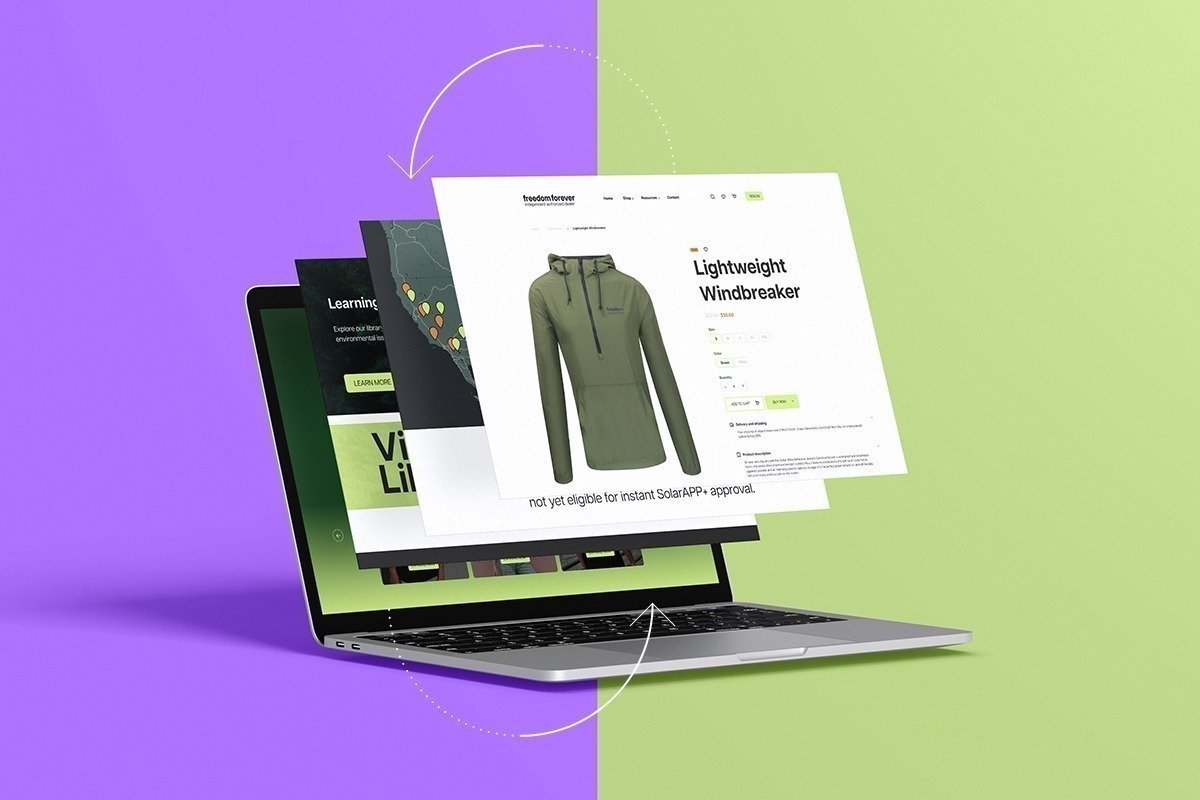
Shopify How to Change Theme
An attractive and professional appearance is important for any eCommerce store. A well-designed storefront can help grab visitors’ attention, build trust, and make the shopping experience feel more reliable.
Shopify is a leading eCommerce platform that gives merchants the tools they need to build, manage, and customize an online store. One of the biggest advantages of Shopify is that you can change your store’s theme and adjust its design without needing advanced technical knowledge.
The theme and store design you choose can have a major impact on how visitors perceive your brand. A good Shopify theme should look professional, match your niche, work well on mobile, and make it easy for customers to browse products and complete a purchase.
If your current theme feels outdated, difficult to use, or limited in features, changing it can be a smart move. This guide explains how to change your Shopify theme without losing important customizations or damaging your store setup.
Ways to change your Shopify theme
Shopify allows you to change many parts of your store’s design, including colors, typography, layouts, product sections, checkout styling, and more. There are three common ways to change a Shopify theme.
Update your Shopify theme through the Shopify Theme Store
The easiest way to change your Shopify theme is through the Shopify Theme Store. You can choose from free and paid themes, add one to your theme library, customize it, and publish it when it is ready.
1. Create a backup of your current theme
Before making any changes, duplicate your current theme. This gives you a backup in case you need to return to the previous version. Go to your Shopify admin, open Online Store, then click Themes. Find your current theme, click the actions menu, and select Duplicate.
2. Open the Themes section
From your Shopify admin dashboard, go to Online Store and then select Themes. This is where you can manage your live theme and any unpublished themes in your library.
3. Choose a new theme
Shopify offers both free and paid themes for different types of stores and industries. If you are just starting, a free theme can be enough. If you want more advanced design options or a more polished layout, you may prefer a paid theme. Most themes can be used on standard Shopify plans.
4. Add the theme to your library
Once you have selected a theme, add it to your Shopify theme library. This lets you customize and preview the theme before publishing it.
5. Customize the new theme
After adding the theme, open the theme editor and adjust the design, sections, homepage layout, product pages, colors, fonts, and navigation. Do not immediately publish the theme until you have checked that all important content and functionality are working correctly.
6. Move custom settings carefully
Some theme settings may not transfer automatically from your old theme to the new one. If you have custom code, app blocks, tracking scripts, or special design settings, review them carefully. In some cases, you may need to copy settings from your old theme’s files into the new theme, but this should be done carefully to avoid breaking the theme.
7. Test the new theme before publishing
Preview your new theme and check the homepage, collection pages, product pages, cart, checkout flow, mobile layout, navigation, forms, and app integrations. This helps you catch issues before customers see them.
8. Publish the new theme
Once you are happy with the new theme and everything has been tested, you can publish it. Your new theme will replace the previous live theme, while your old duplicated theme will remain in your library as a backup.
Upload your own Shopify theme
Shopify also allows you to upload a theme manually. This is useful if you have purchased a theme from a third-party marketplace, received a custom theme from a developer, or built your own theme.
To upload a theme, go to your Shopify admin, open Online Store, then Themes. Find the option to upload a theme file, then add your theme as a ZIP file. Once uploaded, the theme will appear in your theme library.
After uploading the theme, you can customize it, preview it, test it, and publish it when it is ready.
Change your Shopify theme using a third-party app or theme provider
Some third-party tools and theme providers allow you to install or modify Shopify themes through their own dashboards. This can be useful if you are using a specialized theme builder or a platform that offers pre-built Shopify designs.
In most cases, the process involves choosing a theme, connecting your Shopify store, adding the theme to your library, editing it, previewing it, and publishing it when ready.
Before using a third-party app or provider, make sure it is reliable, well-reviewed, and compatible with your Shopify setup. Poorly built themes or apps can slow down your store or create layout and checkout issues.
Things to consider when changing your Shopify theme
Changing your theme is not just about choosing a new look. Your theme affects user experience, mobile performance, product presentation, and conversions. Before publishing a new theme, consider the following points.
Style
Your theme should match your brand, products, and niche. A fashion store, tech store, beauty brand, and furniture shop will usually need different visual styles. Choose a theme that supports the feeling you want your customers to have when they visit your store.
Mobile responsiveness
Many customers browse and buy from mobile devices, so your theme must work well on smaller screens. Test the mobile version carefully and check that menus, product images, buttons, forms, cart pages, and checkout steps are easy to use.
Checkout and cart experience
A complicated shopping process can cause customers to abandon their carts. Choose a theme that makes the cart and checkout journey feel simple, clear, and trustworthy. Product pages should have visible add-to-cart buttons, clear pricing, strong product images, and easy access to shipping or return information.
Homepage features
Your homepage acts as the storefront of your online business. A good Shopify theme should let you present featured products, collections, banners, benefits, reviews, and key brand messages clearly. Make sure the homepage layout supports your sales goals instead of just looking attractive.
App compatibility
If your store uses Shopify apps for reviews, subscriptions, bundles, search, upsells, email marketing, or analytics, check that those apps work correctly with the new theme. Some apps may need to be reinstalled, reconfigured, or added again as theme blocks.
Speed and performance
A beautiful theme is not useful if it makes your store slow. Before publishing, test the new theme’s performance and avoid adding unnecessary scripts, heavy animations, or too many app embeds. A faster store usually creates a better shopping experience.
The bottom line
Shopify makes it possible to change the appearance of your eCommerce store without rebuilding everything from scratch. You can choose a new theme from the Shopify Theme Store, upload a custom theme, or use a third-party theme provider.
Before publishing a new theme, always duplicate your current theme, test the new version, review your customizations, and check the mobile experience. A carefully chosen Shopify theme can improve the appearance, usability, and performance of your online store.